
Numpy viewer (numpyviewer)
Install latest/stable of Numpy viewer
Ubuntu 16.04 or later?
Make sure snap support is enabled in your Desktop store.
Install using the command line
sudo snap install numpyviewerDon't have snapd? Get set up for snaps.
Details for Numpy viewer
Package name
- numpyviewer
License
- unset
Last updated
- 21 December 2021 - latest/stable
Websites
External link warning
You are about to open
Do you wish to proceed?
Report a Snap Store violation
Report Numpy viewer for a Snap Store violation
Snap Store Violation Report submitted successfully
Thank you for your report. Information you provided will help us investigate further.
Error submitting report
There was an error while sending your report. Please try again later.
Share this snap
Generate an embeddable card to be shared on external websites.
Convenient viewer for numpy files and tensors.
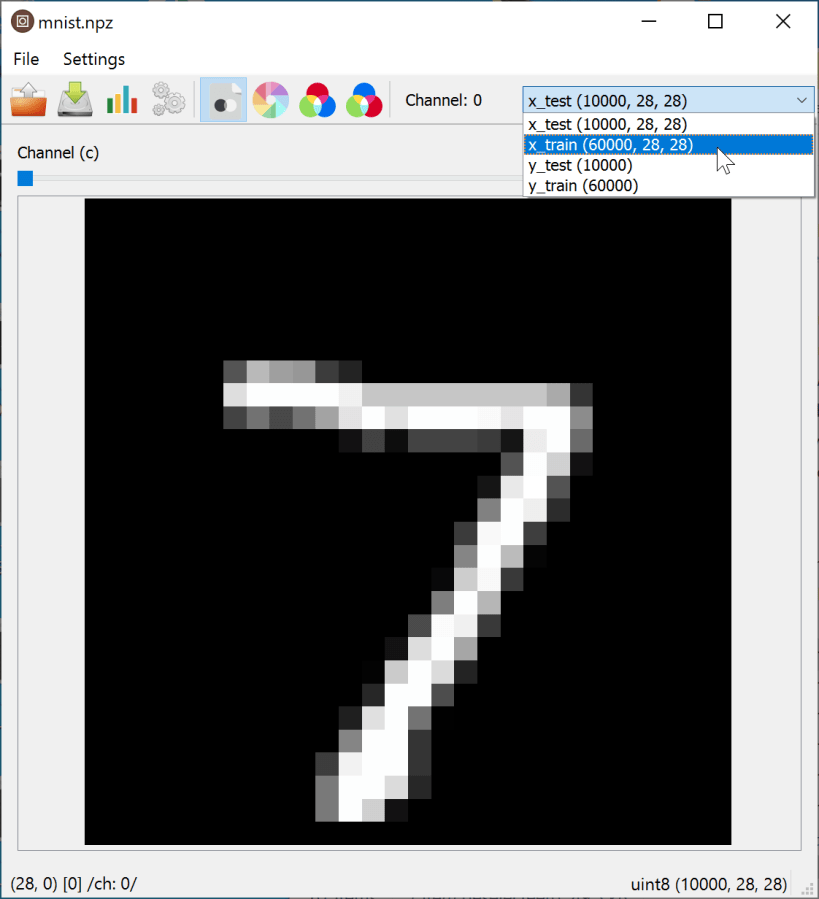
Viewer for hyperspectral Numpy cubes and (2d/3d/4d)-tensors.
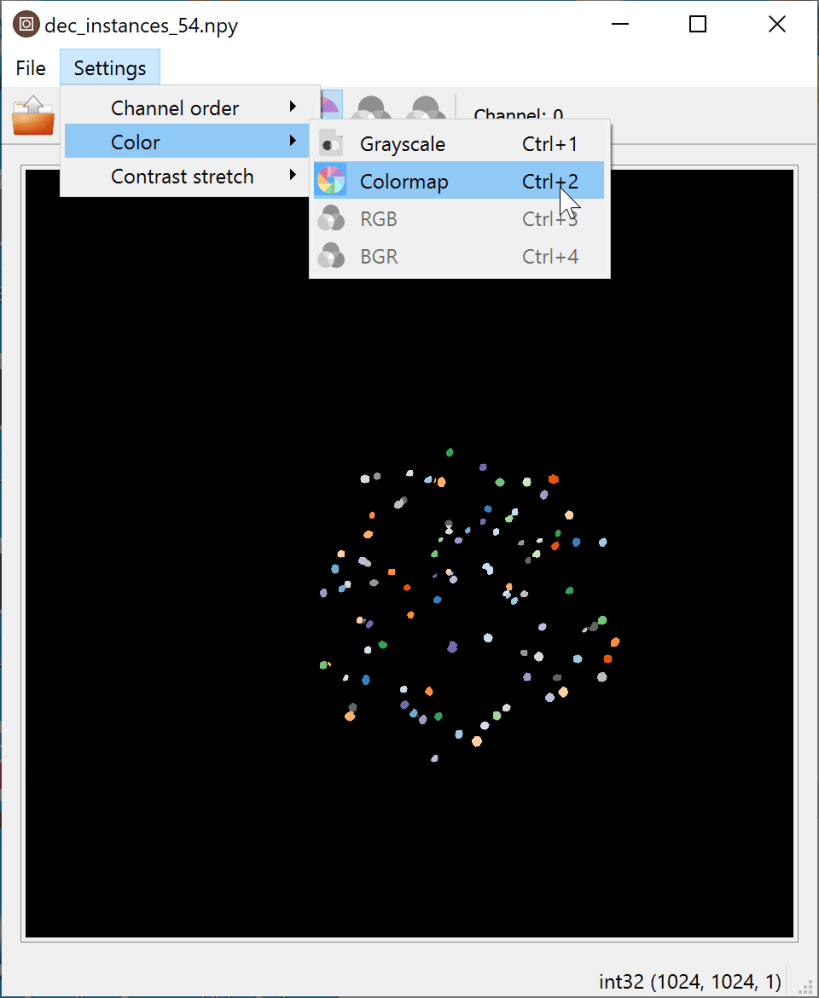
This viewer opens practically all numpy files, that has at least two dimensions. Using a slider it is possible to scroll through the channels. It features an envi to numpy converter, that converts raw ENVI shots to numpy (even white/black-ref support).
It features full support for 4d arrays, such as Tensors. During debugging, a Tensor can be saved using np.save() and analyzed by this tool. The tool allows to slice through batches and channels, and can merge channels into RGB/BGR into one rendered view.
This tool might also be useful for people working with DICOM. If you convert an array of DICOM images to a numpy array, and then save it, then this tool is useful to scroll through slices.
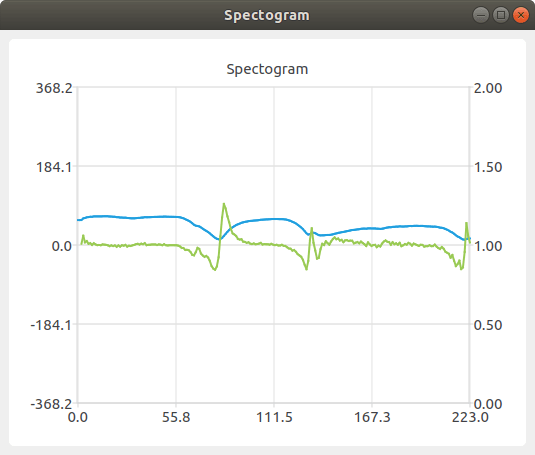
Can convert BIL ENVI files from e.g. "Lumo scanner", Specim FX17, Specim FX10, etc. You can also compare the spectrum of a pixel by left/right clicking in the canvas.
Also available as AppImage. Checkout the GitHub page for more info.
| Revision | Channel | Version | Build | Commit | Download SBOM |
|---|
The build and commit information is derived from build infrastructure records.
Install Numpy viewer on your Linux distribution
Choose your Linux distribution to get detailed installation instructions. If yours is not shown, get more details on the installing snapd documentation.